Fatoumata Keita
Laboratory Technician, CSCOM in Sebeninkoro, Bamako, Mali
When Fatoumata Keita was a young girl, an accident changed the course of her life. After her family sought treatment from a traditional healer, the care she received left her with a permanent disability in her left arm. The experience stayed with her – and inspired her to pursue a career in science and health care.
“As a person with a disability, I feel even more motivated to improve people’s health,” she says.
Today, Fatoumata is the only laboratory technician at the Centre de Santé Communautaire (CSCOM) in Sebeninkoro, on the outskirts of Bamako. From her small laboratory, she performs the tests that allow doctors and nurses to diagnose illness quickly and treat patients correctly – a critical first line of defense against disease.
Much of her work focuses on malaria. On a typical day, Fatoumata conducts 20 to 30 malaria tests, helping ensure patients receive accurate diagnoses and timely treatment. Reliable diagnostics are a cornerstone of strong health systems – enabling health workers to detect disease early, respond quickly and prevent outbreaks from spreading.
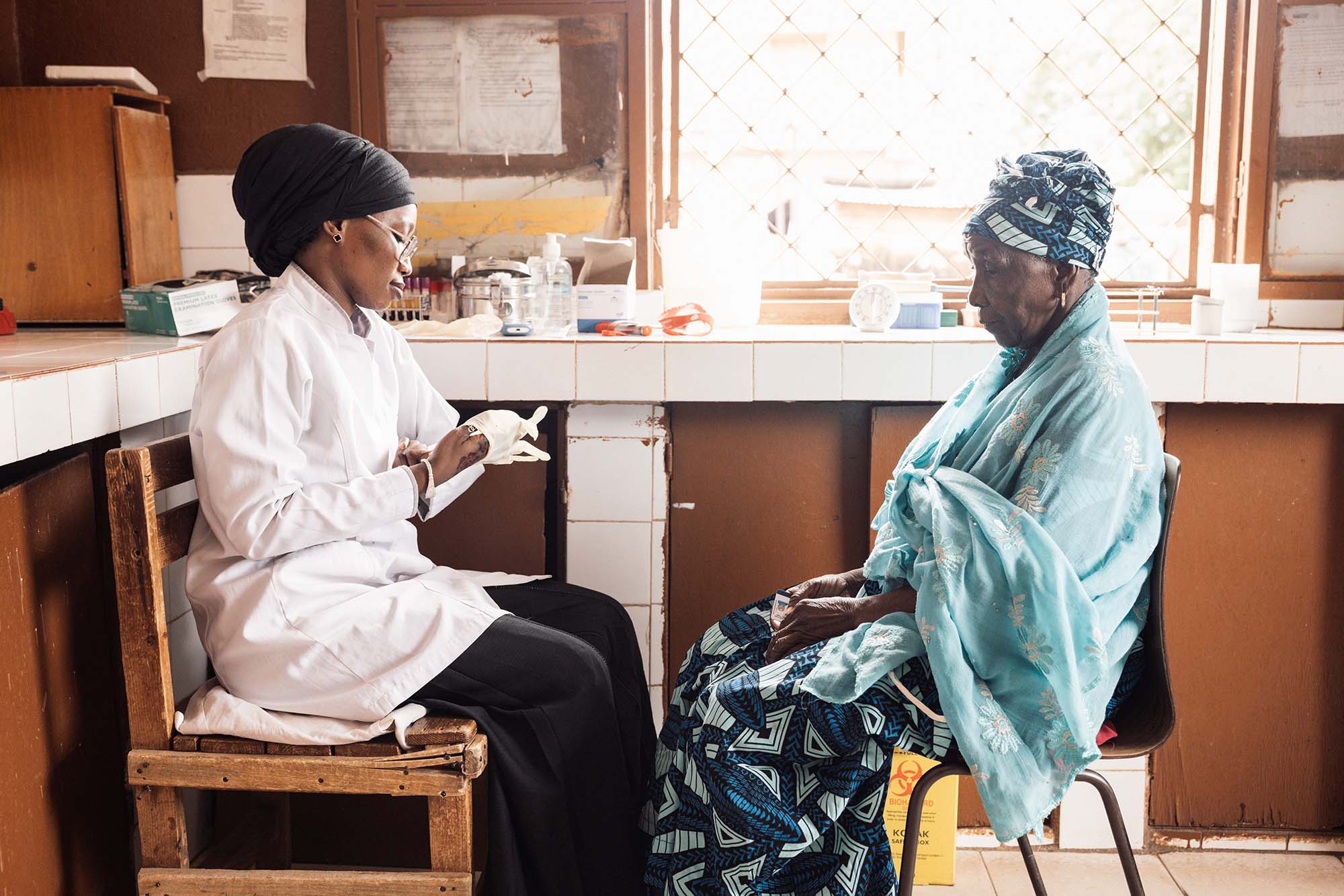
Photo: The Global Fund/Vincent Becker
Her work comes with challenges. Electricity in the laboratory is available only about half the time, limiting the equipment she can use and the tests she can perform.
Still, Fatoumata remains deeply committed. Alongside running the lab, she also trains laboratory technician students, helping prepare the next generation of health workers.
Across Mali, community health centers like the CSCOM in Sebeninkoro form the backbone of health care. With support from the Global Fund, these frontline facilities are strengthening their capacity with essential diagnostics, medicines and trained health workers.
Through her dedication, Fatoumata helps ensure that her community can detect disease early, respond effectively and access lifesaving care.