A Cleaner Future: How Eswatini Is Transforming Medical Waste Management
Every lifesaving test, treatment or medical procedure leaves something behind: used bandages, syringes, tests, protective equipment – but what comes next?
Handling medical waste is one of the least visible, yet most critical, parts of protecting health workers, communities and the environment. But many countries lack the resources and infrastructure to manage medical waste safely.
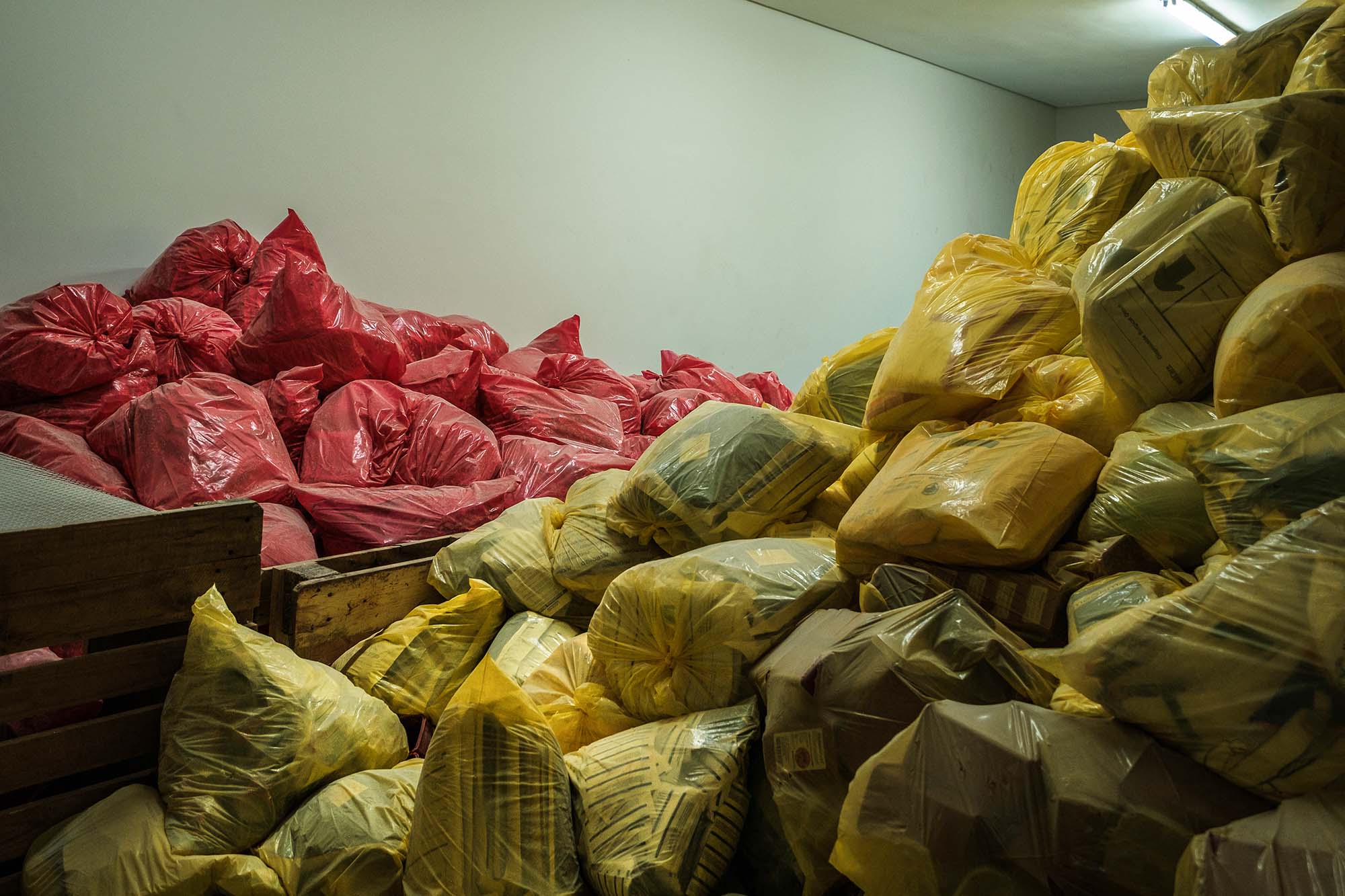
Photo: The Global Fund/Brian Otieno
It is estimated that nearly two-thirds of healthcare facilities in low and middle income countries operate without proper medical waste management systems. This increases the risk of disease and damages the environment.
Until recently, Eswatini was one of those countries. Medical waste was either burned in outdated incinerators or shipped to neighboring countries for proper treatment – a slow, costly and inefficient process.
But this has changed with the opening of a new, centralized healthcare waste management facility that includes a state of the art high temperature incinerator.
“This is the first-of-a-kind facility for Eswatini,” says Mancoba Zwane, director of Environmental Health and Community Services of Matsapha Municipality. “It will safely and effectively manage medical waste for the entire country.”
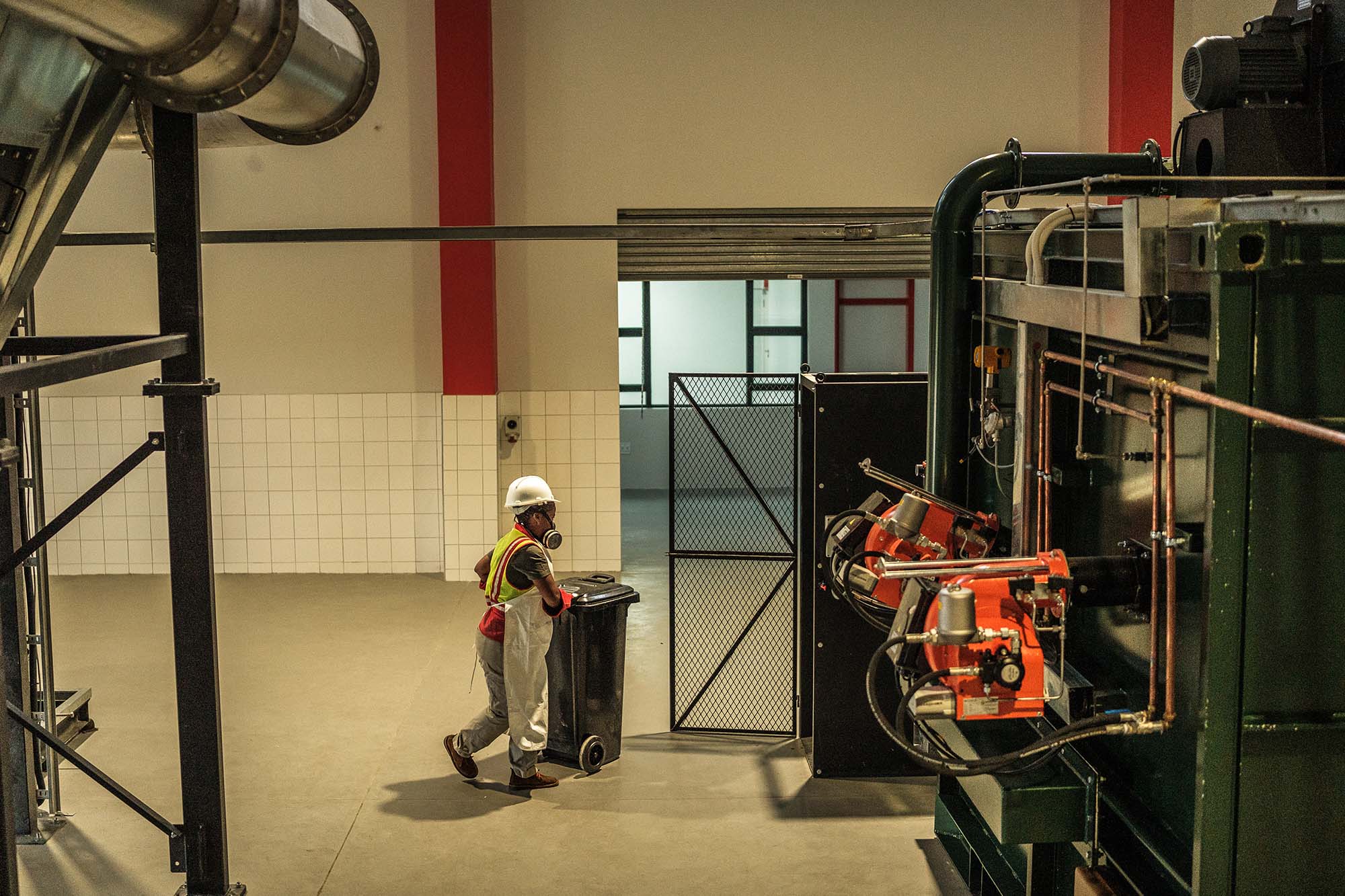
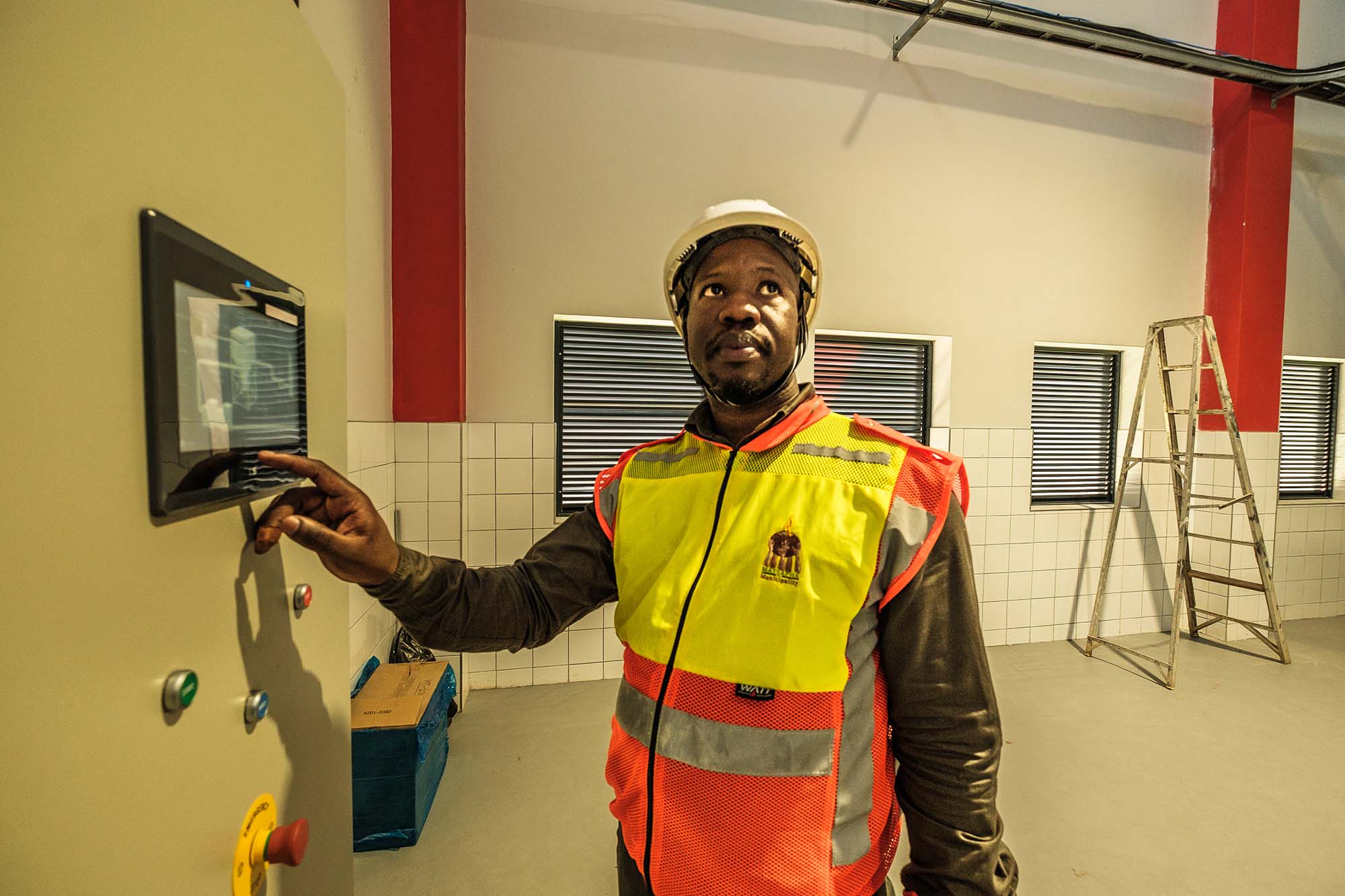
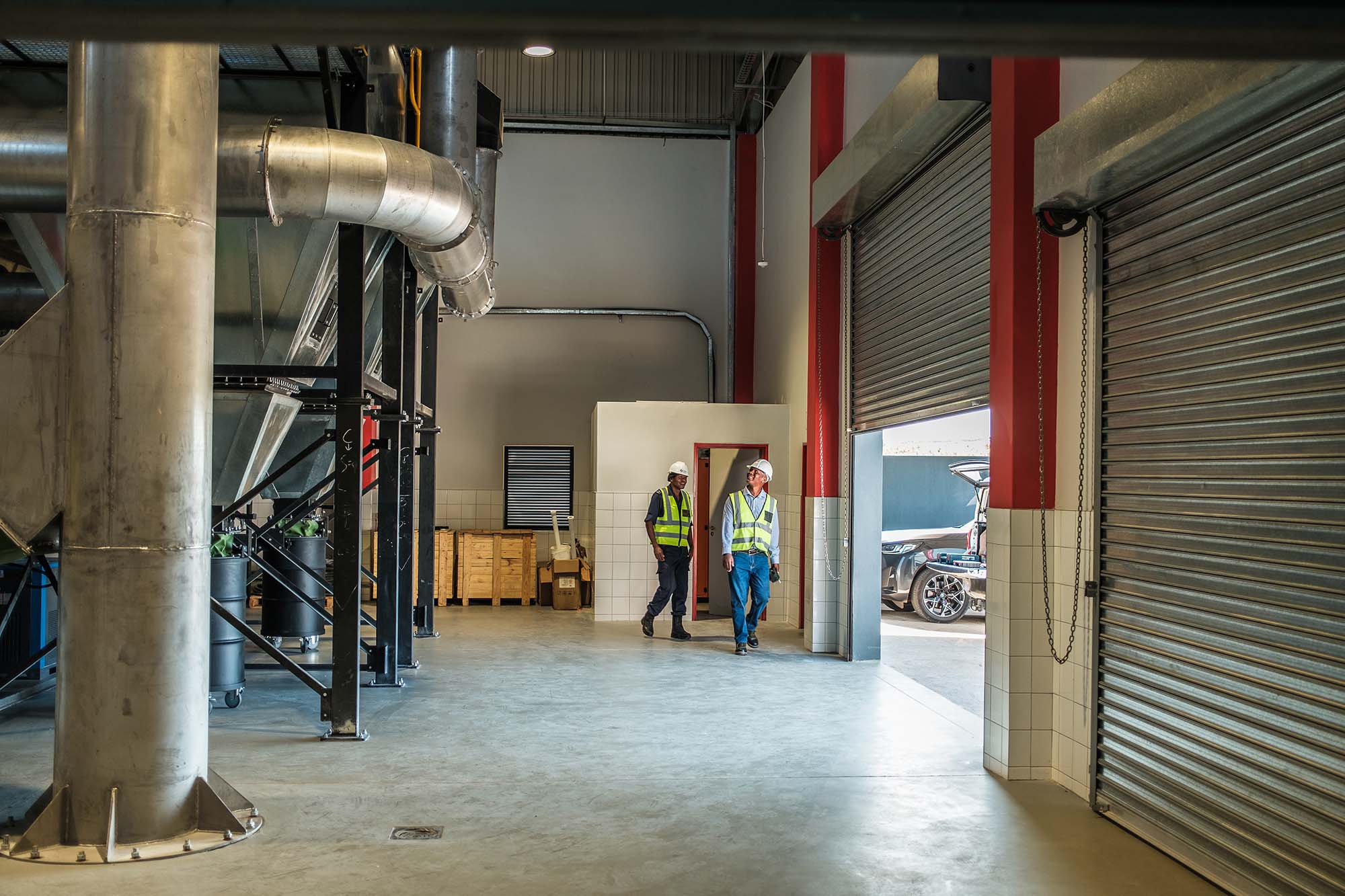
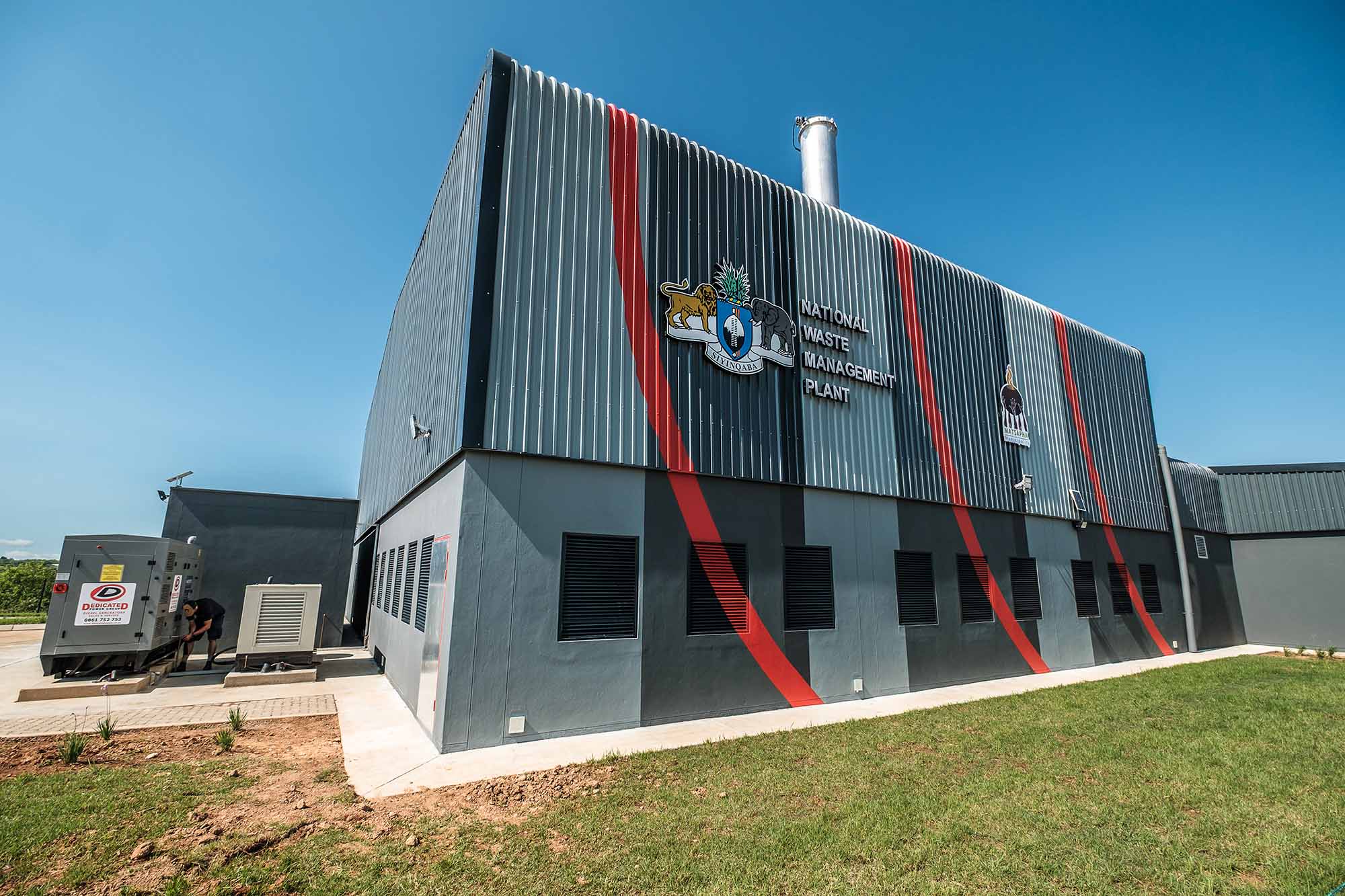
Now operational, the facility was built in just 11 months, replacing a patchwork of 19 obsolete incinerators and the costly practice of exporting medical waste.
This new, centralized plant can process 330 kilograms of waste per hour – roughly 75% of the total amount of medical waste the country generates in a day.
It has also been built according to the latest best practice standards, featuring state-of-the-art emissions control and enhanced systems for the separation and safe, controlled storage of medical waste.
Eswatini Minister of Health, Mduduzi Matsebula
The project is designed for long term impact.
Along with investments in the facility itself, new waste-transport vehicles have been purchased, and the old, non-compliant incinerators are being decommissioned. The new facility will help enable more accurate data gathering and facilitate a waste tracking system in the future.
The Ministry of Health has put in place a clear financing model to ensure the facility is nationally owned and sustainably managed to protect this investment over time.
The model for collecting and safely managing healthcare waste was shaped through a partnership with UNICEF, Gavi, the Vaccine Alliance and the Global Fund dedicated to strengthening country-led waste management.
All financing for Eswatini’s new facility was provided by the Global Fund, with technical support from Mott MacDonald and Roche Diagnostics.
To date, the Global Fund has invested US$84 million to strengthen waste management systems and facilities in 43 countries around the world.
Like in Eswatini, these investments offer more than new infrastructure: They represent durable, cost-effective solutions that strengthen health systems, safeguard communities and deliver lasting value for people and the planet.